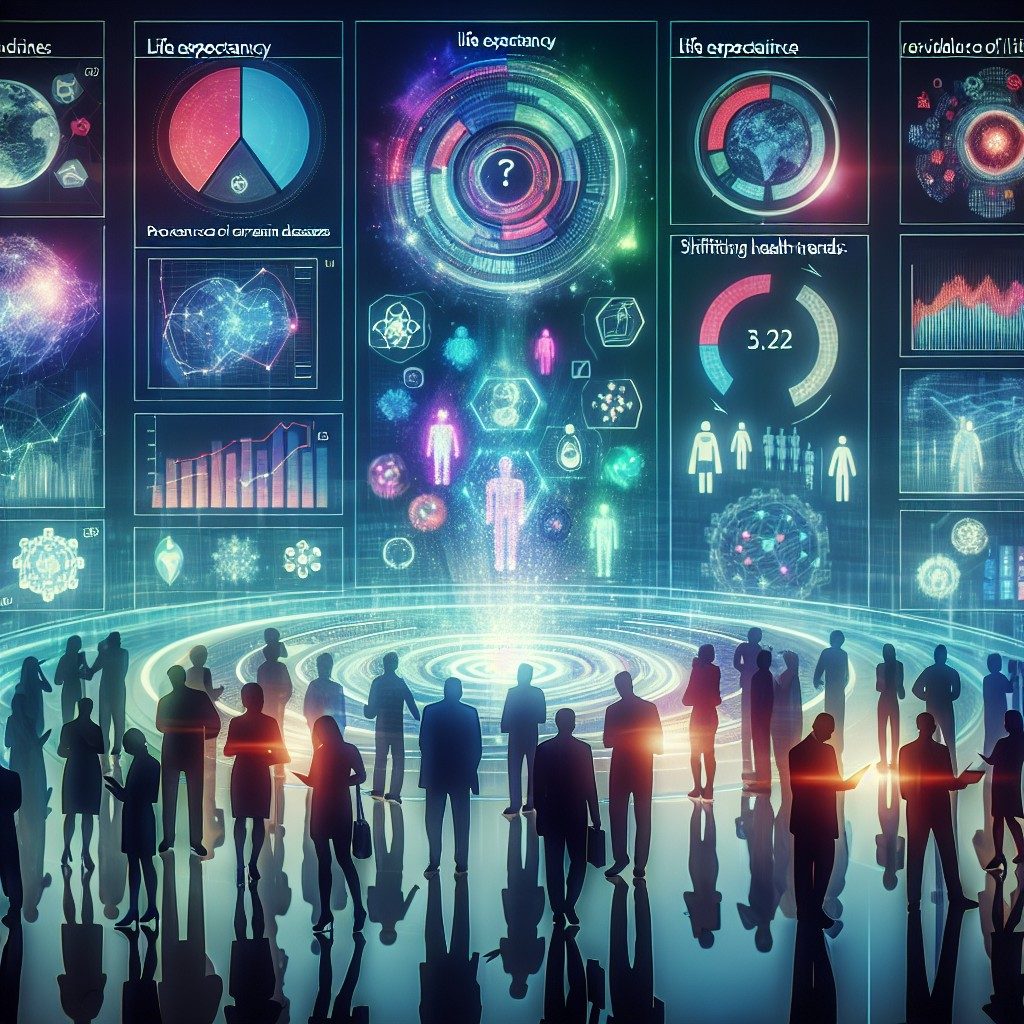
A groundbreaking study released by the Global Health Institute has unveiled new health data that contradicts long-standing beliefs about future health trends. Predictions for 2026 reveal unexpected shifts in chronic disease prevalence, healthcare access, and technological impact on patient care, raising questions about how these changes will shape the health landscape in the coming years.
Unexpected Trends in Chronic Diseases
The recent health data indicates a significant increase in the prevalence of chronic diseases, particularly diabetes and hypertension, projected to rise due to aging populations and lifestyle factors. The report reveals that by 2026, an estimated 30% of adults aged 50 and older will be living with diabetes, compared to the current rate of 25%. Such alarming trends emphasize the urgency for preventative healthcare strategies and informed public policies.
The Role of Technology in Healthcare Access
One of the most striking findings from the health data is the anticipated transformation in healthcare access facilitated by technology. Virtual healthcare appointments are projected to surpass in-person visits by 2026. This shift is expected to provide unprecedented access for rural and underserved communities, allowing patients to consult specialists from the comfort of their homes. However, this also raises concerns about digital equity, where not everyone has equal access to the necessary technology.
Impact on Health Policies and Infrastructure
As these health data trends unfold, policymakers will be challenged to adapt healthcare systems to meet new demands. Investments in healthcare infrastructure, particularly in telehealth services and chronic disease management programs, will be crucial. Experts suggest that adapting current health policies to accommodate these shifts in data is essential for effective public health responses. The findings prompt a reevaluation of existing frameworks to address these emerging healthcare challenges comprehensively.
Frequently Asked Questions about Health Data
What is health data and why is it important?
Health data encompasses information related to the health status of individuals and populations, which is vital for understanding health trends and guiding public health policies.
How is health data collected?
Health data is collected through various means, including surveys, patient records, and health monitoring technologies, providing a comprehensive view of health trends.
What are some implications of the new health data released?
The new health data indicates a potential rise in chronic diseases and technological adoption in healthcare, emphasizing the need for proactive health strategies.
How can stakeholders address issues highlighted by health data?
Stakeholders can address these issues by investing in healthcare technologies and policies that promote health equity and improve access to care.
Where can I find more information about health data and its trends?
For comprehensive insights and analyses on health data trends, refer to reputable sources such as the World Health Organization.